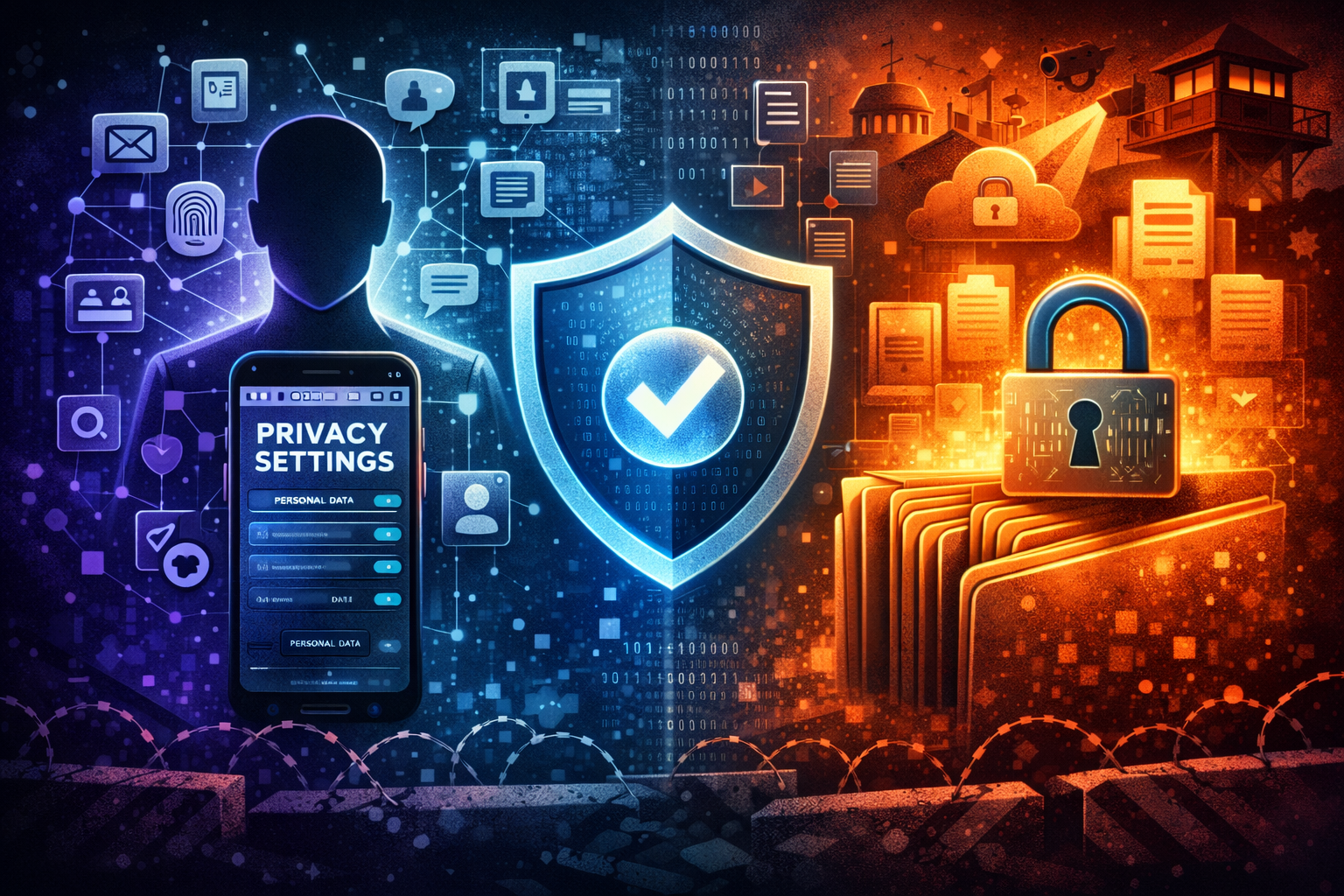
In our interconnected world, personal data flows constantly through digital channels. Most people think of "privacy" as a checkbox in their app settings — something you configure once and forget. But genuine data protection requires a much deeper understanding of how information moves across platforms and systems.
Guaranteeing the Safety of Personal Information
Understanding data privacy fundamentals matters in today's globalized environment. Organizations collect, use, and share personal information through channels you might not even be aware of — public records, loyalty programs, surveys, and app permissions all contribute to your digital profile.
Information is sometimes referred to as the "new oil," and in the digital era, safeguarding your data against misuse or illegal access is crucial. Your digital footprint extends further than most people realize. Even your DNS server queries — the lookups your device makes every time you visit a website — reveal browsing patterns that can be logged and sold.
Privacy-focused DNS services and secure browsing practices reduce your exposure significantly. Informed individuals who understand data protection mechanisms can better control their online presence and make smarter decisions about which platforms deserve their trust.
The Dangers of Neglecting Data Privacy
Ignoring privacy safeguards creates serious consequences that extend well beyond inconvenience:
- Data breaches expose sensitive information, leading to financial fraud and identity theft
- Data misuse enables manipulative advertising and algorithmic decision-making without your consent
- Trust erosion discourages engagement with digital services and can enable further cybercrime
- Loss of autonomy over your own narrative and digital identity
Protecting personal data isn't just about preventing harm — it's about preserving your right to exist in digital spaces on your own terms.
Changing Policy on Privacy
Privacy policies intimidate many users with complex legal language. However, understanding these documents is essential to knowing what you're agreeing to. They explain what data organizations collect, how they use it, how long they store it, and under what circumstances they disclose it to third parties.
Reviewing privacy policies regularly helps you understand a company's obligations and your rights as a user. This awareness enables you to demand accountability and advocate for stronger protections — both individually and collectively.
Techniques for Maintaining Personal Information
Effective protection combines multiple layers. No single tool is sufficient on its own:
- Create unique, strong passwords for each account — use a password manager
- Enable two-factor authentication (2FA) wherever it's available
- Keep software and operating systems current — updates patch known vulnerabilities
- Limit personal information shared on social media platforms
- Use VPNs to encrypt your connection on untrusted networks
- Deploy privacy DNS services to protect your query data from ISP surveillance
Regulation's Function in Data Privacy
The GDPR in Europe and California's CCPA establish meaningful data protection standards. These frameworks require:
- Explicit consent before data collection begins
- Transparency about how data is processed
- The right for users to access and delete their information
- Serious penalties for violations
Regulation alone isn't enough — companies look for loopholes, and enforcement is inconsistent. But these frameworks create accountability and give individuals legal standing to push back when their rights are violated.
Self-Reliance in the Digital Age
Ultimately, protecting your personal data requires active participation. Master your privacy settings, understand how privacy DNS technology shields your browsing, and stay informed about the regulations that protect your rights online.
The tools exist. The knowledge is available. The question is whether you choose to use them.